
Connemara, one of the finest wilderness areas surviving in Europe today, remains a bastion of traditional landscape and culture. The history of this landscape is ancient. It has taken over 750 million years to evolve. Its geology is among the most complex, interesting and accessible in Europe.
Multiple ice ages shaped the region’s landscape; glaciers enveloped the mountains, leaving enduring marks visible today. The most recent cold era ended just twelve thousand years ago. As the ice melted, plants, animals, and eventually humans quickly moved into the area.
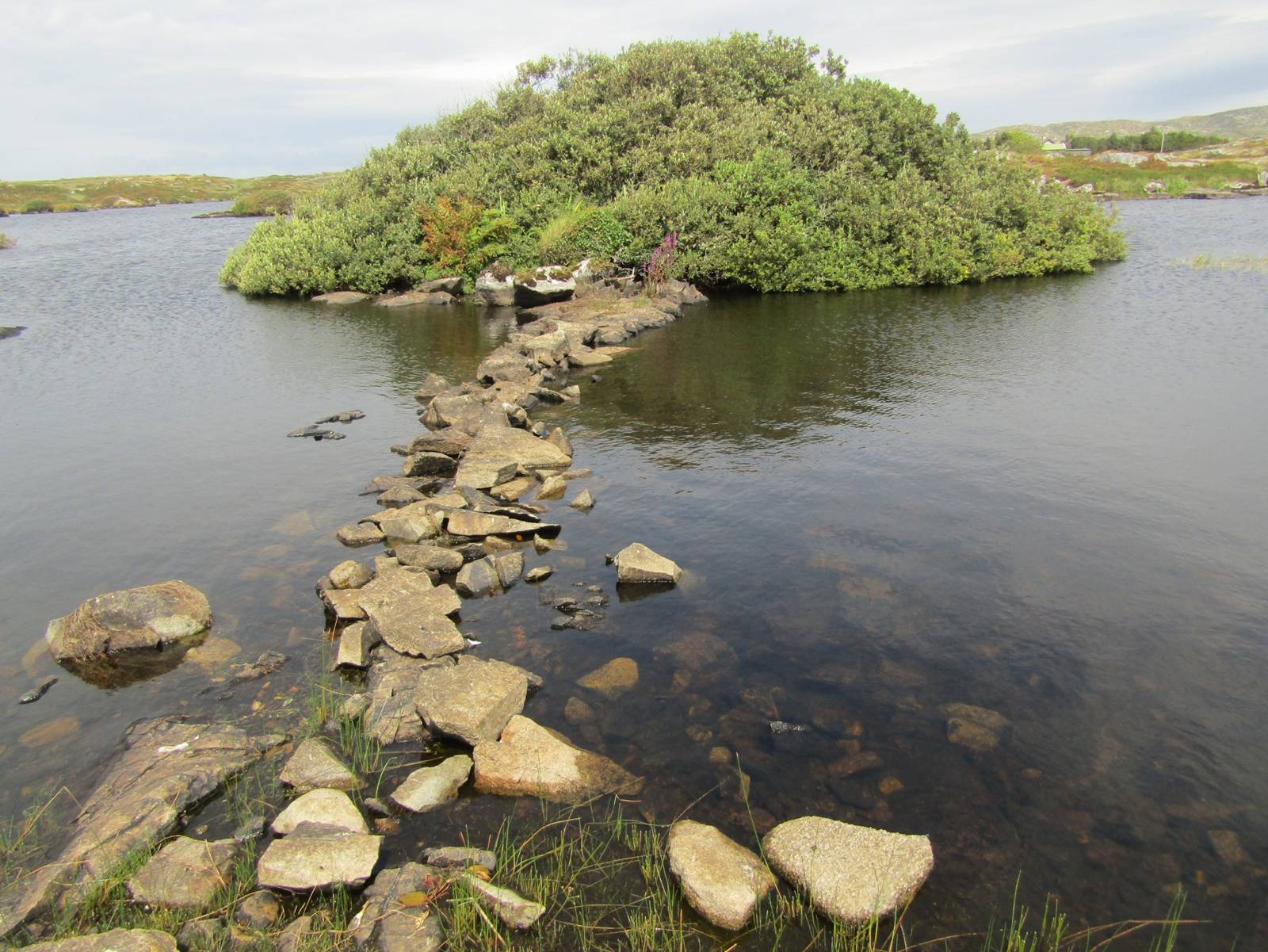
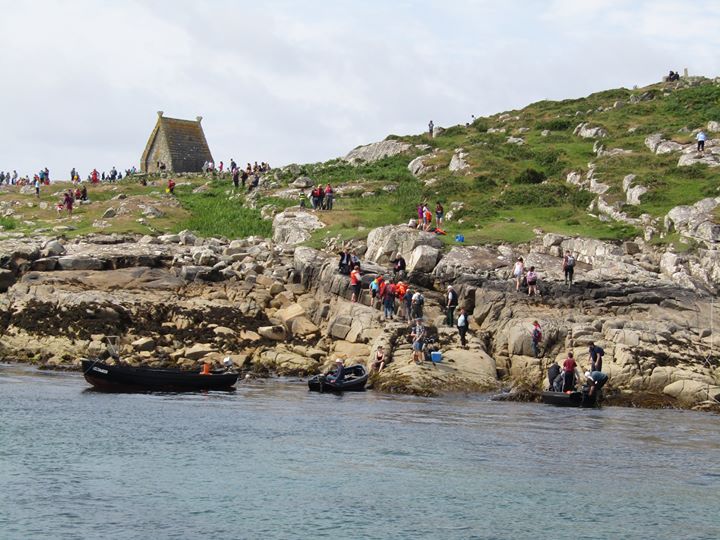
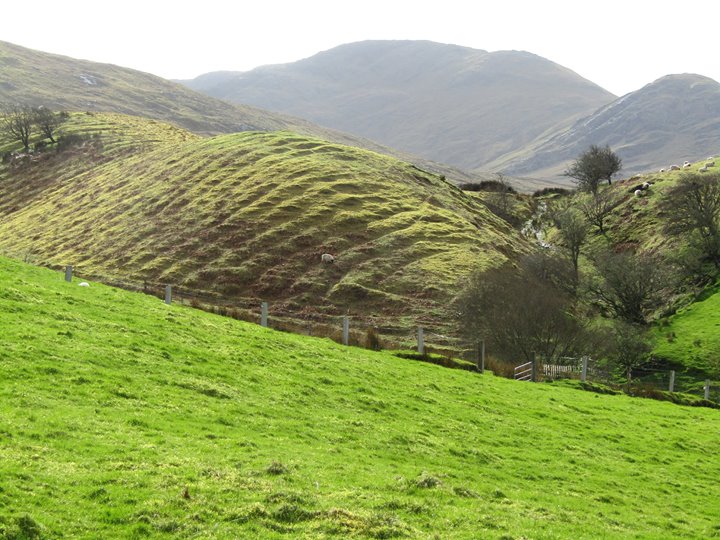
Hunter-gatherer groups tracked migrating animals, fish, and birds along river valleys and coastal areas. These nomadic populations left minimal evidence except for discarded artifacts and midden sites (rubbish pits), which are particularly prevalent along the coast and on Omey Island.
Connemara boasts numerous archaeological sites from the Stone Age, including many newly uncovered by Michael Gibbons. The western uplands are home to a variety of megalithic tombs found throughout the region.
Ireland was never part of the Roman Empire, so it formed its own distinct culture, blending its pagan Celtic heritage with the Christian beliefs introduced by Patrick. Many of Ireland’s ancient pagan sites—wells, trees, groves, and mountains—were gradually incorporated into the growing Christian faith.
A Viking warrior’s grave with armour was discovered in Eyrefort, the sole known Viking site.
Norman barons originating from Wales and England advanced westward in their attempts to gain control over all of Ireland. Nevertheless, the isolated western territories, governed by influential maritime clans such as the O’Flahertys of Connemara and the O’Malleys, largely resisted these incursions.
Our field trip throughout Connemara will explore these emerging and mythic landscapes; we will delve into a rich and vibrant cultural heritage buried in remote corners of Connemara that holds direct links with ancient cultures throughout Europe.